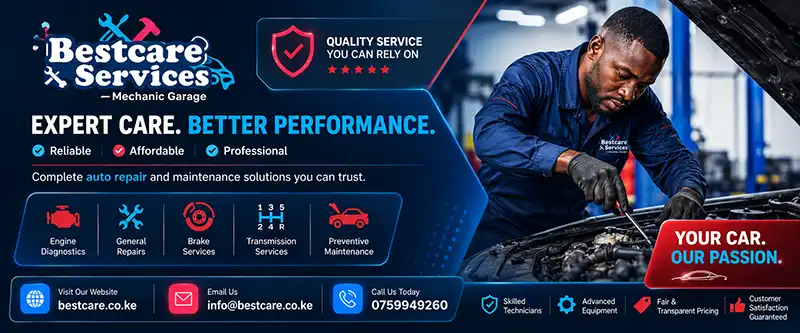
Vehicle Mechanical Repairs and Maintenance
Vehicle mechanical repairs and maintenance are essential for ensuring the safety, reliability, performance, and longevity of any automobile. Whether a vehicle is used for personal transportation, commercial operations, or fleet management, regular maintenance and timely repairs help prevent breakdowns, reduce operating costs, and preserve the vehicle’s value. Modern vehicles contain complex mechanical, electrical, and computerized systems that require professional inspection and servicing to function efficiently.
Understanding Vehicle Mechanical Repairs
Mechanical repairs involve diagnosing and fixing faults that affect the operation of a vehicle. These repairs may be minor, such as replacing worn brake pads, or major, such as rebuilding an engine or transmission.
Common mechanical repair services include:
- Engine repairs
- Transmission repairs
- Brake system repairs
- Suspension repairs
- Steering system repairs
- Clutch replacement
- Cooling system repairs
- Exhaust system repairs
- Fuel system repairs
- Drivetrain repairs
Professional mechanics use diagnostic equipment and technical expertise to identify the root cause of mechanical problems before carrying out repairs.
Importance of Regular Vehicle Maintenance
Routine maintenance helps identify potential issues before they become serious and costly. Regular servicing also improves fuel efficiency, enhances vehicle performance, and ensures compliance with manufacturer recommendations.
Benefits of regular maintenance include:
- Improved road safety
- Reduced repair costs
- Increased vehicle lifespan
- Better fuel economy
- Improved resale value
- Enhanced driving comfort
- Reduced risk of unexpected breakdowns
A properly maintained vehicle is generally more reliable and economical to operate.
Engine Maintenance and Repairs
The engine is the heart of a vehicle. Proper engine maintenance is critical for optimal performance and durability.
Common Engine Maintenance Services
| Service |
Recommended Interval |
| Engine oil change |
5,000 – 10,000 km |
| Oil filter replacement |
Every oil change |
| Air filter replacement |
15,000 – 30,000 km |
| Spark plug replacement |
30,000 – 100,000 km |
| Fuel filter replacement |
20,000 – 60,000 km |
Common Engine Repairs
- Engine overheating repairs
- Head gasket replacement
- Timing belt replacement
- Water pump replacement
- Fuel injector repairs
- Engine rebuilds
Ignoring engine problems can result in severe damage and expensive repairs.
Brake System Maintenance
The brake system is one of the most important safety components of any vehicle.
Components of the Brake System
- Brake pads
- Brake discs (rotors)
- Brake calipers
- Brake fluid
- Brake master cylinder
- Brake lines
Signs of Brake Problems
- Squealing noises
- Grinding sounds
- Soft brake pedal
- Vehicle pulling during braking
- Vibrations while braking
Routine brake inspections help ensure reliable stopping power and passenger safety.
Suspension and Steering System Maintenance
The suspension system provides ride comfort while maintaining tire contact with the road surface. The steering system allows drivers to control vehicle direction safely.
Suspension Components
- Shock absorbers
- Struts
- Control arms
- Ball joints
- Bushings
- Stabilizer links
Steering Components
- Tie rod ends
- Steering rack
- Power steering pump
- Steering column
Symptoms of suspension or steering issues include:
- Uneven tire wear
- Vehicle drifting
- Excessive bouncing
- Steering wheel vibrations
- Squeaking noises during turns
Timely repairs improve handling, comfort, and safety.
Transmission and Clutch Maintenance
The transmission transfers engine power to the wheels and is one of the most expensive vehicle components to repair.
Transmission Maintenance
| Service |
Typical Interval |
| Transmission fluid change |
40,000 – 80,000 km |
| Transmission filter replacement |
As recommended |
| Transmission inspection |
During routine servicing |
Signs of Transmission Problems
- Delayed gear shifts
- Slipping gears
- Transmission fluid leaks
- Grinding noises
- Warning lights
For manual vehicles, clutch maintenance is equally important. A worn clutch may cause slipping, difficulty shifting gears, or poor acceleration.
Cooling System Maintenance
The cooling system prevents the engine from overheating.
Cooling System Components
- Radiator
- Water pump
- Thermostat
- Cooling fan
- Hoses
- Coolant reservoir
Common Cooling System Repairs
- Radiator replacement
- Water pump replacement
- Hose repairs
- Coolant leak repairs
- Thermostat replacement
Engine overheating should never be ignored, as it can cause catastrophic engine damage.
Electrical System Repairs
Modern vehicles rely heavily on electrical and electronic systems.
Common electrical repairs include:
- Battery replacement
- Alternator repairs
- Starter motor replacement
- Wiring repairs
- Sensor replacement
- Lighting system repairs
Diagnostic scanners help technicians identify faults in computerized systems quickly and accurately.
Preventive Maintenance Checklist
Vehicle owners should regularly monitor the following:
| Item |
Inspection Frequency |
| Engine oil |
Monthly |
| Coolant level |
Monthly |
| Brake fluid |
Monthly |
| Tire pressure |
Weekly |
| Battery condition |
Every 6 months |
| Air filters |
Every service |
| Belts and hoses |
Every service |
| Lights |
Monthly |
Preventive maintenance significantly reduces the likelihood of unexpected failures.
Signs Your Vehicle Needs Immediate Attention
Drivers should seek professional inspection if they notice:
- Check engine light illumination
- Excessive smoke from the exhaust
- Fluid leaks
- Unusual vibrations
- Poor acceleration
- Steering difficulties
- Grinding or knocking noises
- Frequent overheating
Early intervention often prevents small issues from becoming major repairs.
Choosing a Professional Mechanical Repair Service
When selecting a repair facility, consider:
- Technician qualifications
- Diagnostic equipment availability
- Experience with your vehicle make
- Warranty on repairs
- Customer reviews
- Genuine parts availability
- Transparent pricing
A reputable garage will provide detailed diagnostics, explain repair options, and perform repairs according to manufacturer standards.
Vehicle mechanical repairs and maintenance are essential investments in safety, reliability, and performance. Through regular inspections, preventive maintenance, and timely repairs, vehicle owners can reduce operating costs, improve fuel efficiency, and maximize the lifespan of their vehicles. Whether maintaining a family car, commercial vehicle, or fleet, a proactive maintenance strategy remains the most effective approach to avoiding costly breakdowns and ensuring dependable transportation.